

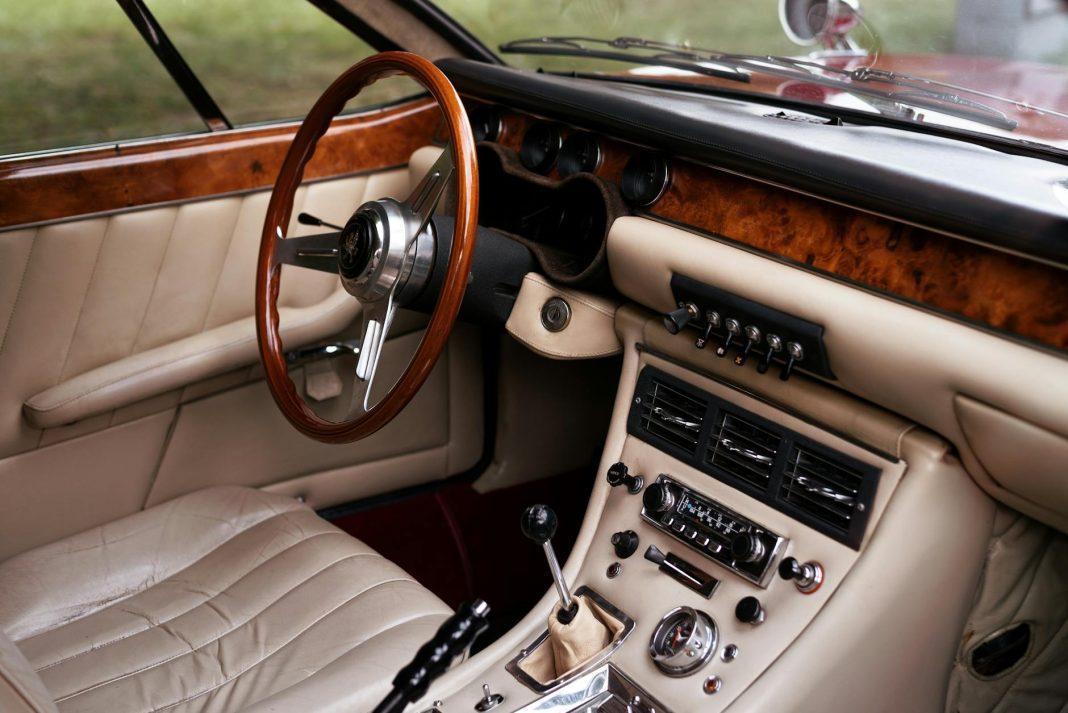
Classic Car Loans: Financing Your Vintage and Collector Vehicle Purchase
The allure of a classic car is undeniable. Whether it’s the gleaming chrome of a 1950s cruiser, the raw power of a muscle car from the 60s, or the elegant lines of a pre-war automobile, owning a piece of automotive history is a dream for many enthusiasts. However, acquiring these treasured vehicles often requires significant capital. Unlike standard used cars, collector vehicles present unique financing challenges.
This comprehensive guide explores the world of classic car loans, detailing what they are, how they differ from conventional auto loans, and the steps you need to take to successfully finance your next vintage or collector vehicle purchase.
Understanding the Collector Car Market
Before diving into financing options, it’s crucial to understand why classic cars are treated differently by lenders.
What Qualifies as a “Classic” or “Collector” Vehicle?
The definition can vary slightly between lenders, insurance companies, and classic car clubs, but generally, a vehicle qualifies if it meets one or more of the following criteria:
- Age: Typically 20 to 25 years old or older.
- Rarity/Collectibility: Limited production runs, significant historical importance, or association with famous models.
- Modification Status: Highly modified vehicles (hot rods, restomods) can qualify if the modifications enhance, rather than detract from, the vehicle’s value in the collector market.
- Condition: Must be in excellent, show-quality, or well-maintained original condition.
The Valuation Challenge
The primary hurdle in financing a classic car is valuation. Traditional lenders rely on standardized books (like Kelley Blue Book or NADA Guides) for modern vehicles. These resources often fail to accurately reflect the true market value of a rare Ferrari or a meticulously restored Ford Mustang.
Collector car values are highly subjective, fluctuating based on auction results, restoration quality, provenance (history of ownership), and current market trends. Lenders specializing in this niche use specialized appraisal methods, often relying on professional third-party appraisals or auction data.
Types of Classic Car Financing
Financing a vintage vehicle usually requires specialized loan products designed to accommodate the unique nature of these assets.
1. Specialized Classic Car Loans (The Gold Standard)
These loans are offered by banks, credit unions, and dedicated financial institutions that understand the collector market. They are structured specifically for high-value, appreciating assets.
Key Features:
- Longer Terms: While standard auto loans cap out around 72 months, classic car loans can extend to 10 or even 15 years, making higher-value purchases more manageable.
- Lower Down Payments (Sometimes): Depending on the lender and the vehicle’s appraised value, down payment requirements might be slightly more flexible than conventional loans.
- Agreed-Upon Value Financing: This is the most significant benefit. The loan amount is based on an independent appraisal that both the buyer and lender agree upon before the loan is finalized. This protects the buyer if the car is later deemed worth less than expected, and it ensures the lender is comfortable with the asset backing the loan.
2. Secured Personal Loans
If a specialized lender isn’t available, some buyers use a secured personal loan. In this scenario, the classic car acts as collateral. These loans often have shorter terms and higher interest rates than dedicated collector loans because the lender might be less familiar with the asset class.
3. Portfolio Loans (For High-Net-Worth Individuals)
Wealth management firms sometimes offer portfolio loans. These are not tied directly to the car itself but are collateralized by the borrower’s broader investment portfolio (stocks, bonds, etc.). This is often an option for buyers who want to preserve liquidity or avoid selling investments to purchase the vehicle.
4. Conventional Auto Loans (Generally Not Recommended)
Most standard banks and credit unions will be hesitant or outright refuse to finance vehicles over 15-20 years old using their standard auto loan programs. If they do offer financing, they will likely use a conservative valuation model, resulting in a lower loan amount than you need, or charge significantly higher interest rates due to perceived risk.
The Application Process: What Lenders Look For
Securing financing for a collector car is often more rigorous than applying for a mortgage or a standard car loan. Lenders need assurance that the asset is legitimate, accurately valued, and well-maintained.
Essential Requirements and Documentation
Be prepared to provide extensive documentation when applying for a classic car loan:
- Proof of Income and Creditworthiness: Standard financial documentation (pay stubs, tax returns, bank statements) is required to assess your ability to repay the debt. A strong credit score (usually 700+) is essential.
- Detailed Vehicle Information: Year, make, model, VIN, mileage, and detailed maintenance history.
- Professional Appraisal: This is non-negotiable for high-value classics. The appraisal must be conducted by an independent expert recognized within the collector car community. It should detail the vehicle’s condition (using a grading scale, e.g., Concours, Excellent, Good) and provide comparable sales data.
- High-Quality Photographs: Lenders often require numerous detailed photos of the exterior, interior, engine bay, and undercarriage to verify the condition described in the appraisal.
- Insurance Documentation: You must secure comprehensive collector car insurance (often requiring an agreed-upon value policy) that covers the full loan amount before the funds are disbursed.
Key Factors Influencing Approval and Rates
Lenders assess several factors unique to the collector market:
| Factor | Impact on Loan Terms |
|---|---|
| Appraisal Value | Higher, verifiable value leads to better LTV ratios and potentially lower rates. |
| Lender Specialization | Specialized lenders offer better terms than general auto lenders. |
| Loan-to-Value (LTV) Ratio | Lenders typically cap LTV at 80% to 90% for collector cars, requiring a larger down payment than modern cars. |
| Borrower Experience | First-time collector car buyers may face stricter terms than seasoned collectors with a history of ownership. |
| Vehicle Type | Highly desirable models (e.g., certain Porsches, Shelby Mustangs) may secure better terms than niche or less liquid classics. |
Navigating the Appraisal and Insurance Hurdles
The appraisal and insurance steps are often where classic car financing stalls. Mastering these areas is key to a smooth transaction.
The Importance of Collector Car Insurance
Standard insurance policies are based on the vehicle’s replacement cost in the current market, which often undervalues a rare classic. Collector car insurance companies (like Hagerty, Grundy, or Leland-West) understand the nuances of the market.
Why Agreed-Upon Value Matters:
When you finance a car with an agreed-upon value policy, the insurance company agrees that, in the event of a total loss, they will pay the pre-determined value listed on the policy, regardless of what the current market data might suggest at that moment. Lenders require this because it guarantees the asset securing their loan is fully protected.
Choosing the Right Appraiser
Do not use a general mechanic or a standard used car appraiser. Seek out professionals who specialize in your vehicle’s marque or era.
Questions to Ask a Potential Appraiser:
- Are you certified by a recognized appraisal organization (e.g., ASA)?
- How many vehicles of this specific type have you appraised in the last year?
- Do you use current auction results (e.g., Barrett-Jackson, RM Sotheby’s) to inform your valuation?
A thorough, professional appraisal minimizes the risk of the lender rejecting the proposed value, which can delay closing the loan.
Tips for Securing the Best Classic Car Loan
To maximize your chances of approval and secure favorable terms, follow these strategic tips:
1. Know Your Budget Beyond the Purchase Price
Financing a classic car involves more than just the sticker price. Factor in immediate costs:
- Transportation: Shipping the vehicle from the seller.
- Initial Servicing: Vintage cars almost always require immediate mechanical attention.
- Insurance Premiums: Collector car insurance can be substantial.
- Taxes and Title Fees.
Ensure your loan amount covers these necessary initial expenses, or have liquid funds available to cover them separately.
2. Build a Relationship with a Specialist Lender
If you plan on owning multiple collector vehicles over time, cultivate a relationship with a lender who focuses exclusively on this market. These lenders are more likely to offer competitive rates and streamlined processes for repeat customers.
3. Consider a Higher Down Payment
While some specialized loans allow lower down payments, putting down 20% or more significantly reduces the lender’s risk. A lower LTV ratio often translates directly into a lower interest rate and potentially faster approval.
4. Prepare for a Longer Closing Time
Financing a modern car might take a few days. Financing a classic car, due to the required appraisal, title verification, and specialized insurance setup, can easily take three to six weeks. Plan your purchase timeline accordingly, especially if the seller is eager to move the vehicle quickly.
Conclusion
Financing a classic or collector car is an exciting step toward automotive ownership, but it requires a different financial strategy than buying a daily driver. By understanding the specialized nature of collector car valuation, seeking out dedicated financing institutions, and diligently preparing comprehensive documentation—especially a professional appraisal and agreed-upon value insurance—enthusiasts can successfully bridge the gap between dream and driveway. With the right preparation, your piece of automotive history is well within reach.