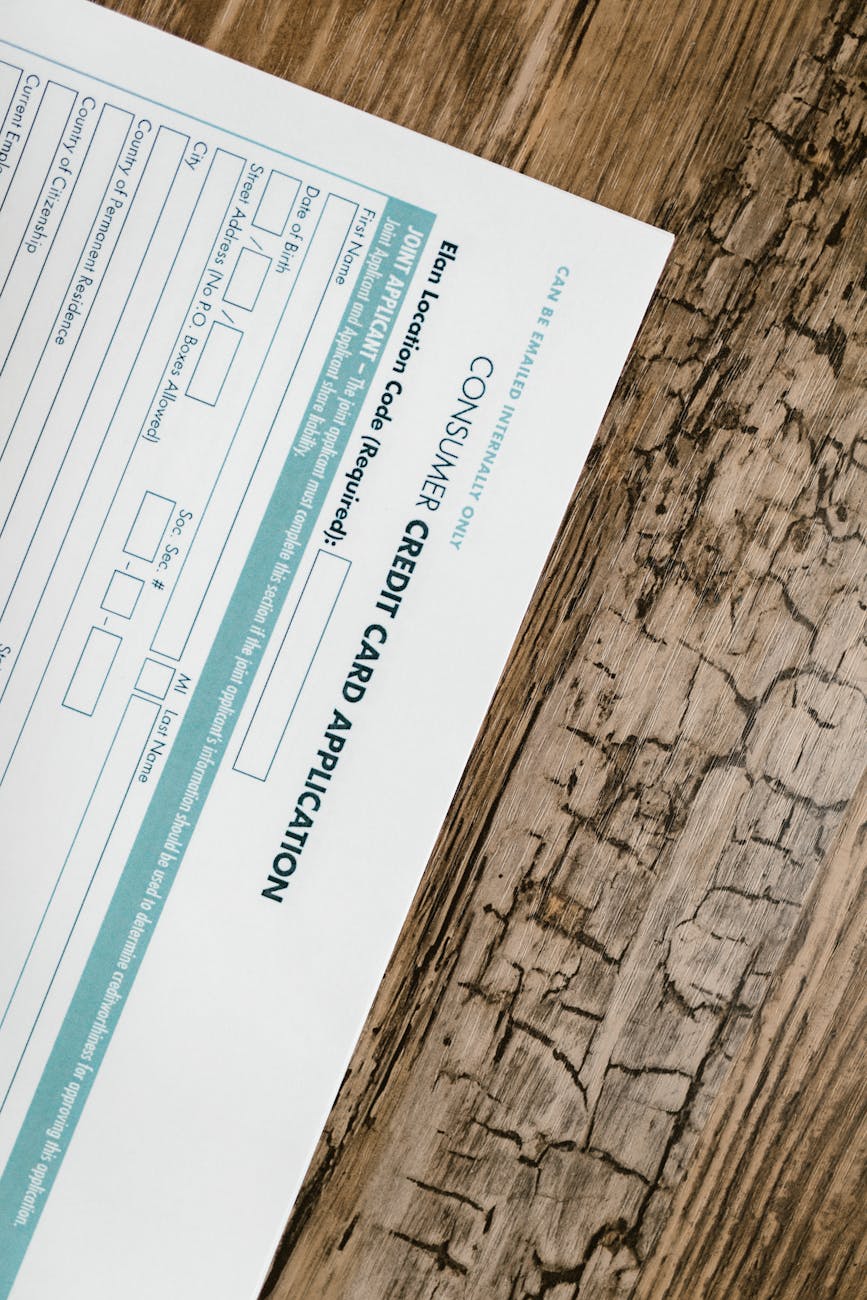

The Personal Loan Application Process: A Step-by-Step Guide to Getting Approved
Securing a personal loan can be a crucial step toward achieving significant financial goals—whether consolidating high-interest debt, funding a major home renovation, or covering unexpected medical expenses. However, the application process can often feel opaque and intimidating. Understanding each stage, from initial preparation to final funding, is key to navigating the journey smoothly and maximizing your chances of approval.
This comprehensive guide breaks down the personal loan application process into manageable, actionable steps, ensuring you are fully prepared to present your best financial self to potential lenders.
Phase 1: Preparation and Pre-Qualification
Before you even look at a lender’s website, the most critical work happens behind the scenes: assessing your financial health and defining your needs. Rushing this preparation phase often leads to applying to the wrong lenders or receiving unfavorable terms.
Step 1: Determine Your Loan Needs and Budget
The first step is clarity. How much money do you actually need, and what is the realistic purpose of the funds?
- Calculate the Exact Amount: Avoid borrowing more than necessary, as this increases your monthly payments and total interest paid. If you are consolidating debt, list the exact balances of the debts you plan to pay off.
- Establish a Repayment Budget: Look at your current monthly income and expenses. Determine a comfortable monthly payment amount you can afford without straining your budget. This figure will guide the loan terms (length and interest rate) you should seek.
- Understand the Loan Term: Shorter terms mean higher monthly payments but less interest paid over the life of the loan. Longer terms mean lower monthly payments but higher overall costs. Choose a balance that fits your budget.
Step 2: Review and Improve Your Credit Profile
Your credit score is the primary factor lenders use to assess risk. A higher score generally translates to lower interest rates and better approval odds.
- Pull Your Credit Reports: Obtain free copies of your reports from the three major bureaus (Equifax, Experian, and TransUnion) via AnnualCreditReport.com.
- Check for Errors: Scrutinize all three reports for inaccuracies—incorrect balances, accounts that aren’t yours, or outdated late payments. Dispute any errors immediately, as this process can take several weeks.
- Address Derogatory Marks (If Possible): While you can’t instantly fix a low score, paying down revolving credit card balances to lower your credit utilization ratio (ideally below 30%) can provide a quick boost before applying.
Step 3: Gather Essential Documentation
Lenders require verification of your identity, income, and residency. Having these documents organized beforehand speeds up the application process significantly.
Key Documents to Prepare:
- Government-issued photo ID (Driver’s License or Passport)
- Social Security Number (SSN)
- Proof of Residence (Utility bill or lease agreement)
- Proof of Income (Recent pay stubs, W-2 forms, or tax returns if self-employed)
- Bank statements (sometimes required for verification)
Step 4: Pre-Qualification vs. Pre-Approval
Many lenders offer a preliminary check that helps you gauge your chances without harming your credit score.
- Pre-Qualification: This involves a “soft credit pull” and provides an estimate of the rates and terms you might receive. It is not a guarantee of funding.
- Pre-Approval: This usually requires a “hard credit pull” (which temporarily dings your score) but results in a firm offer from the lender, contingent only on final verification of your submitted documents. It is highly recommended to get pre-approved by several lenders before making a final decision.
Phase 2: Comparison and Application Submission
Once you know what you qualify for, it’s time to compare offers and formally apply.
Step 5: Compare Lenders and Loan Offers
Do not settle for the first offer you receive. Different lenders specialize in different borrower profiles (e.g., excellent credit vs. fair credit).
Key Comparison Factors:
- Annual Percentage Rate (APR): This is the true cost of the loan, including the interest rate and any associated fees.
- Origination Fees: Some lenders charge an upfront fee (often 1% to 8% of the loan amount) deducted from the principal before disbursement.
- Prepayment Penalties: Check if you will be charged extra for paying the loan off early.
- Customer Service and Speed: How quickly does the lender process applications and disburse funds?
Step 6: Completing the Formal Application
Once you select your preferred lender, you will complete the full, formal application, usually online.
- Accuracy is Paramount: Double-check every piece of information—income figures, addresses, employment history. Inconsistencies between your application and your supporting documents are a primary reason for application delays or denials.
- Disclose All Debt: Be honest about all existing debts, even those you don’t plan to consolidate. Lenders verify this information independently.
- Co-Signer Consideration (If Necessary): If your credit score is borderline, adding a co-signer with strong credit can significantly improve your chances of approval and secure a lower rate. Be aware that the co-signer is equally responsible for repayment.
Step 7: The Hard Credit Inquiry
When you formally submit your application, the lender performs a hard credit inquiry. This is necessary for the final underwriting decision. While one hard inquiry has a minimal impact, applying to too many lenders in a short window (shopping around for rates is fine, but applying formally everywhere is not) can signal risk to credit bureaus.
Phase 3: Underwriting and Funding
This is the lender’s internal review period, where they verify everything you submitted.
Step 8: The Underwriting Process
Underwriters meticulously review your application against the lender’s criteria. They look at three main areas, often referred to as the “Three Cs”:
- Credit: Reviewing your credit score, payment history, and utilization.
- Capacity: Assessing your ability to repay the loan, primarily through your Debt-to-Income (DTI) ratio. (DTI is calculated by dividing your total monthly debt payments by your gross monthly income. Lenders generally prefer a DTI below 40%.)
- Collateral (Less common for personal loans): Since personal loans are typically unsecured, collateral is rare, but lenders may look at asset reserves if available.
During this stage, the lender may contact you for clarification or additional documentation (e.g., a specific tax form they didn’t receive initially). Respond to these requests immediately to prevent delays.
Step 9: Final Approval and Disclosure
If the underwriter is satisfied, you will receive a final approval notice. This is accompanied by the official Loan Agreement.
- Review the Final Terms: Compare the final APR, payment schedule, and total repayment amount against the initial offer you accepted. Ensure there are no unexpected changes, especially regarding fees.
- Sign Electronically or Physically: Once you agree to the terms, you formally sign the contract.
Step 10: Loan Disbursement
After signing, the lender disburses the funds. The speed of this step varies widely:
- Online Lenders: Often fund loans within 1 to 3 business days.
- Traditional Banks/Credit Unions: May take 3 to 7 business days.
If you are using the loan for debt consolidation, some lenders offer to send the funds directly to your creditors, which simplifies the process and ensures the money is used as intended. Otherwise, the funds will be deposited directly into your linked bank account.
Conclusion: Maintaining Financial Health Post-Approval
The personal loan application process is a structured journey that rewards preparation and honesty. By thoroughly assessing your needs, cleaning up your credit beforehand, and meticulously gathering your documentation, you move from hopeful applicant to approved borrower efficiently.
Once funded, the final step is adherence to the repayment schedule. Making every payment on time is crucial not only for avoiding fees but also for building a stronger credit history, setting you up for better financial opportunities in the future.