

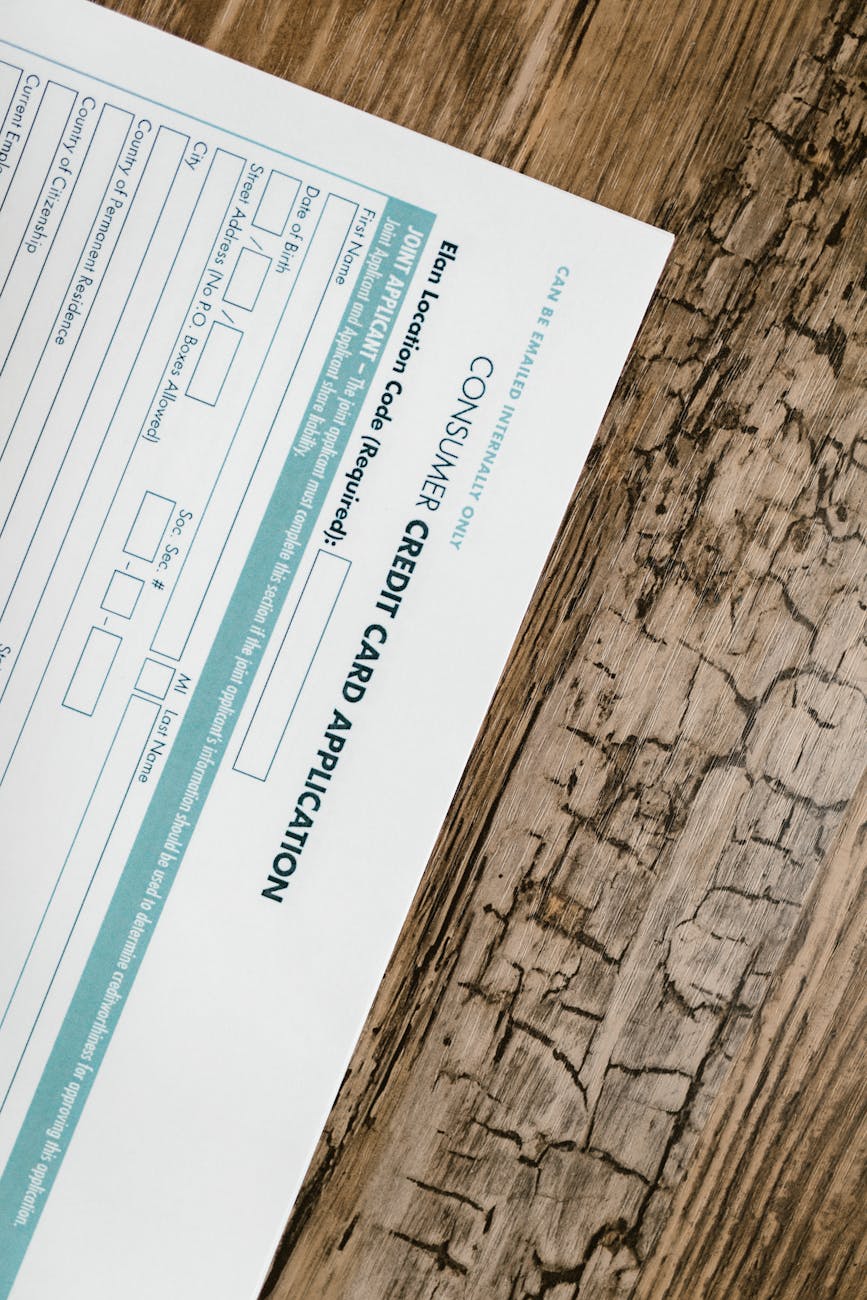
Bad Credit Loan Options: Where to Borrow Money with a Poor Credit Score
A low credit score can feel like a financial roadblock, especially when an unexpected expense arises or a crucial opportunity requires immediate funding. Lenders often view poor credit as a significant risk, leading to higher interest rates, stricter terms, or outright rejection for traditional loans.
However, having a less-than-perfect credit history doesn’t mean you are locked out of borrowing money entirely. Numerous specialized lenders and alternative financing methods exist to help individuals with bad credit secure the funds they need. Understanding these options, their associated costs, and how to qualify is the first step toward responsible borrowing.
This guide explores the best avenues for securing loans when your credit score is low, helping you navigate the landscape of bad credit financing.
Understanding the Impact of a Bad Credit Score
Before diving into loan options, it’s crucial to understand what constitutes a “bad” score and why lenders react the way they do.
Credit scores, most commonly FICO or VantageScore, typically range from 300 to 850. Generally, scores below 670 are considered fair to poor, with scores below 580 often categorized as “bad credit.”
Lenders use these scores to predict the likelihood that you will repay a debt. A low score suggests a history of missed payments, defaults, or high debt utilization, signaling a higher risk of default. To compensate for this risk, lenders will usually:
- Charge significantly higher Annual Percentage Rates (APRs).
- Require collateral (secured loans).
- Offer smaller loan amounts.
- Demand a co-signer.
Primary Loan Options for Borrowers with Poor Credit
When traditional banks and credit unions turn you away, several specialized avenues become available. These options vary widely in terms, speed, and cost.
1. Secured Loans (Using Collateral)
Secured loans require you to pledge an asset—such as a vehicle, home equity, or savings account—as collateral. If you default on the loan, the lender can seize the asset to recoup their losses.
Why they work for bad credit: Because the risk to the lender is significantly reduced by the collateral, they are often willing to approve applicants with poor credit histories.
Examples of Secured Loans:
- Secured Personal Loans: You use an existing asset (like a car title or savings) to back the loan.
- Home Equity Loans or HELOCs (for homeowners): If you own a home, tapping into your equity can provide large sums at relatively low rates, even with moderate credit issues.
- Pawn Shop Loans: While fast, these are short-term loans against valuable items. They carry extremely high implicit interest rates if you fail to redeem the item.
2. Unsecured Personal Loans for Fair/Poor Credit
These loans do not require collateral, meaning the approval hinges entirely on your credit history, income, and debt-to-income ratio. While rates are higher for those with bad credit, many online lenders specialize in this segment.
Key Considerations:
- Higher APRs: Expect rates significantly above prime lending rates.
- Stricter Requirements: Lenders will scrutinize your income verification more closely.
- Loan Limits: Approved amounts are usually smaller than those offered to prime borrowers.
3. Credit Union Loans and Alternatives
Credit unions are non-profit financial cooperatives that often prioritize member relationships over strict credit scoring models. They are frequently more flexible than large commercial banks.
Payday Alternative Loans (PALs)
Offered by federal credit unions, PALs are designed specifically to help members avoid predatory payday lenders.
- Structure: Loans are typically small (up to $2,000).
- Terms: Repayment periods range from one to six months.
- Interest Cap: The interest rate is legally capped at 28% APR, making them vastly superior to traditional payday loans.
4. Co-signed Loans
If you have a friend or family member with excellent credit and a willingness to help, a co-signer can drastically improve your chances of approval and lower your interest rate.
The Risk: The co-signer is equally responsible for the debt. If you miss payments, their credit score will suffer, and they will be legally obligated to pay the balance. This option should only be pursued if you are 100% confident in your ability to repay.
5. Utilizing Alternative Data Lenders
The rise of FinTech (Financial Technology) companies has introduced lenders who look beyond the traditional FICO score. These lenders often analyze cash flow, bank transaction history, employment stability, and rent payment history to assess risk.
Pros: Faster decisions and potential approval for those whose credit history doesn’t fully reflect their current financial stability.
Cons: Interest rates can still be high, and the loan terms might be shorter.
High-Cost Options to Approach with Extreme Caution
While the following options can provide immediate cash, they carry severe financial risks and should generally be considered a last resort when all other viable options have been exhausted.
1. Payday Loans
Payday loans are short-term, high-interest loans, usually due on your next payday.
The Danger: The APR can easily exceed 400%. If you cannot repay the full amount on time, you often roll the loan over, incurring new fees and trapping you in a cycle of debt. Avoid these whenever possible.
2. Title Loans
Similar to payday loans, title loans use your vehicle title as collateral. If you default, you lose your car. While the APR might appear lower than a payday loan, the fees and short repayment terms often result in an effective APR that is excessively high.
3. Installment Loans from Subprime Lenders
These lenders specialize in offering installment loans (paid back over several months) to borrowers with low scores. While they are structured better than single-payment payday loans, the APRs are often predatory, sometimes exceeding 100% to 150%.
Strategies for Improving Your Chances of Approval
Even with poor credit, you can take proactive steps to make yourself a more attractive borrower when applying for a bad credit loan.
1. Check Your Credit Report First
Before applying anywhere, obtain free copies of your credit reports from all three bureaus (Equifax, Experian, TransUnion) via AnnualCreditReport.com.
- Identify Errors: Dispute any inaccuracies immediately. Removing an erroneous late payment or debt can boost your score quickly.
- Understand Your Score: Knowing why your score is low (e.g., high utilization vs. past bankruptcy) helps you target the right lenders.
2. Gather Robust Income Verification
Lenders need assurance that you can afford the payments. Organize recent pay stubs, W-2s, tax returns, and bank statements showing consistent income deposits. Steady, verifiable income often outweighs a slightly lower credit score.
3. Borrow Only What You Absolutely Need
Requesting a smaller loan amount reduces the lender’s risk exposure. A smaller loan is easier to approve and will result in lower monthly payments, making repayment more manageable.
4. Shop Around and Compare APRs
Never accept the first offer you receive. Use online comparison tools or pre-qualification features offered by various lenders. Pre-qualification usually involves a “soft pull” on your credit (which doesn’t hurt your score) and gives you an estimate of the rate you might receive.
5. Consider a Secured Option First
If you have an asset to pledge, starting with a secured loan application is often the fastest route to approval with the most favorable terms available to a bad credit borrower.
Conclusion: Responsible Borrowing with Bad Credit
Securing a loan with a poor credit score is certainly possible, but it requires diligence and a clear understanding of the trade-offs. While specialized lenders and credit unions offer viable pathways, borrowers must remain vigilant against predatory practices.
The key to successful bad credit borrowing is choosing a loan with manageable repayment terms, understanding the true cost (the APR), and ensuring the loan addresses a necessary financial need, not just a want. If you secure funding, prioritize making every payment on time to begin the crucial process of rebuilding your credit score for the future.