

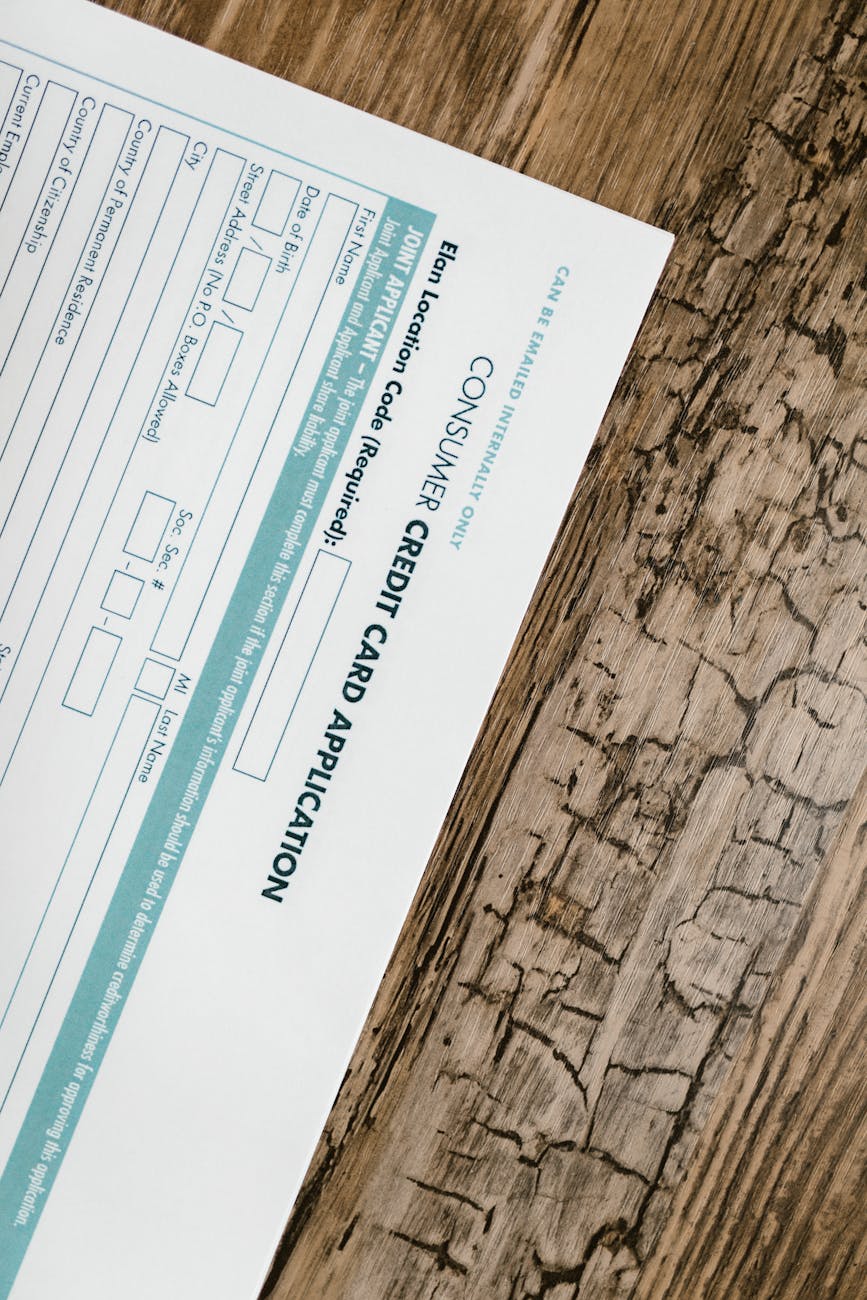
No Credit Check Loans: Borrowing Options Without Credit Inquiry
In the modern financial landscape, accessing necessary funds quickly can be a challenge, especially for individuals with less-than-perfect credit histories. Traditional lenders—banks and credit unions—rely heavily on credit scores to assess risk. If your score is low, or if you simply prefer to keep your credit file untouched, the concept of a “no credit check loan” becomes highly appealing.
But what exactly are these loans? Are they a legitimate solution, or do they hide potential pitfalls? This comprehensive guide explores the world of borrowing without a credit inquiry, detailing the available options, understanding the associated costs, and offering practical advice for responsible borrowing.
Understanding the Credit Check Process
Before diving into no credit check options, it’s crucial to understand why lenders perform credit checks in the first place.
A credit check, or credit inquiry, allows a lender to view your credit report from major bureaus (Experian, Equifax, TransUnion). This report details your history of repaying debts, including loans, credit cards, and mortgages.
- Risk Assessment: A high score indicates a reliable borrower, leading to lower interest rates. A low score suggests higher risk, often resulting in loan denial or very high interest rates.
- Hard vs. Soft Inquiries: A hard inquiry occurs when you formally apply for credit, slightly dinging your score. A soft inquiry (like checking your own score) has no impact. No credit check loans aim to bypass the hard inquiry entirely.
What is a No Credit Check Loan?
A no credit check loan is a financing product where the lender agrees not to pull a hard inquiry on your credit report before approving the loan. This doesn’t mean the lender ignores your ability to repay; rather, they use alternative verification methods to assess risk.
It is important to note that “no credit check” rarely means “no verification.” Lenders still need assurance you can repay the debt. They simply rely on other factors instead of the traditional FICO score.
Why Do Lenders Offer These Loans?
Lenders offering these products typically target borrowers who:
- Need fast cash and cannot afford the time delay associated with a full credit review.
- Have poor or no established credit history (e.g., recent immigrants or young adults).
- Are trying to avoid a hard inquiry that might temporarily lower their existing credit score.
Common Types of No Credit Check Loans
While the term is broad, several distinct financial products fall under the “no credit check” umbrella. It is vital to distinguish between reputable short-term solutions and predatory lending traps.
1. Payday Loans
Payday loans are perhaps the most well-known form of no credit check financing. They are small, short-term loans, typically due on your next payday.
- Mechanism: You borrow a small amount (e.g., $500) and agree to repay the principal plus a high fee (often expressed as an APR that can exceed 400%) on your next scheduled income date.
- Risk: Extremely high cost. If you cannot repay on time, you often roll the loan over, incurring additional fees and trapping you in a cycle of debt.
2. Title Loans
Title loans use the borrower’s vehicle title as collateral.
- Mechanism: You borrow money based on the value of your car. If you default, the lender legally repossesses and sells your vehicle.
- Risk: Loss of primary transportation. Like payday loans, the interest rates and fees are usually exorbitant.
3. Installment Loans (Bad Credit Focus)
Some specialized online lenders offer installment loans marketed as “no credit check,” though they often perform a soft credit check or focus primarily on income verification.
- Mechanism: These loans are repaid over several months (installments) rather than a single lump sum. While they might advertise “no credit check,” they often require proof of steady income and bank account access.
- Advantage: If structured correctly, these loans can be less predatory than single-payment payday loans, offering fixed repayment schedules.
4. Cash Advances (Credit Card or Employer)
These are not traditional loans but offer immediate liquidity without a credit check based on your existing relationship with the provider.
- Credit Card Cash Advance: Using your existing credit card limit to withdraw cash instantly. This usually incurs immediate, high interest and transaction fees, but it is based on your existing credit line, not a new inquiry.
- Employer Advance: Some employers offer access to earned wages before payday. This is debt-free but depends entirely on company policy.
Alternative Verification: How Lenders Assess Risk Without Credit Scores
If a lender isn’t looking at your FICO score, what are they looking at? Lenders offering these products shift their focus to verifiable, immediate financial stability.
Income Verification
This is the most critical factor for no credit check lenders. They need assurance that you have reliable, recurring revenue to cover the debt.
- Proof Required: Recent pay stubs, bank statements showing direct deposits, or proof of consistent government benefits (Social Security, disability).
- Focus: The lender assesses your Debt-to-Income (DTI) ratio based on your stated income versus the proposed loan payment.
Bank Account History (ACH Access)
Most online no credit check lenders require access to your checking account via the Automated Clearing House (ACH) network.
- Purpose: This allows them to schedule automatic withdrawals for repayment.
- Risk: While convenient for repayment, it gives the lender insight into your spending habits and account balance stability. If you overdraft frequently, even without a credit check, the loan may be denied or the fees increased.
Co-signers or Collateral
If the lender requires a co-signer, that person’s good credit history essentially backs the loan, mitigating the lender’s risk without requiring a hard pull on the primary borrower’s report. Similarly, collateral (like a car title) guarantees repayment.
The Hidden Costs: APRs and Fees
The primary danger associated with no credit check loans is their exorbitant cost. When a lender accepts higher risk by ignoring credit history, they compensate by charging significantly more for the service.
Understanding Annual Percentage Rate (APR)
While traditional loans might have APRs ranging from 6% to 30%, no credit check loans often feature APRs that are multiples higher.
| Loan Type | Typical APR Range |
|---|---|
| Traditional Personal Loan | 6% – 36% |
| No Credit Check Installment Loan | 35% – 150% |
| Payday Loans (Effective APR) | 300% – 780% |
Fee Structures
Beyond interest, be wary of additional charges:
- Origination Fees: A percentage of the loan amount charged upfront just to process the application.
- Rollover Fees: In payday lending, if you cannot repay the full amount, you pay a fee to extend the due date, often multiple times.
- Late Payment Penalties: Steep fees applied immediately if a scheduled payment is missed.
Crucial Tip: Always ask for the total cost of the loan, including all fees, expressed as an APR, before signing anything.
Responsible Borrowing: When Are These Loans Appropriate?
No credit check loans should almost always be considered a last resort, reserved only for genuine emergencies where no other option is viable.
When to Consider Them (With Extreme Caution)
- True Emergency: You need immediate funds for a critical, unavoidable expense (e.g., emergency car repair needed for work, essential medical bill).
- Short-Term Gap: You are absolutely certain that your next paycheck or scheduled income event will cover the loan principal plus all fees with a significant buffer.
- No Alternatives: You have exhausted options like credit union small loans, borrowing from family/friends, or negotiating payment plans with creditors.
Alternatives to Explore First
Before resorting to high-cost, no credit check products, investigate these safer avenues:
- Credit Union Small Personal Loans (PALs): Many credit unions offer Payday Alternative Loans (PALs) with capped APRs (usually 28% or less) and longer repayment terms. They often require membership.
- Negotiate with Creditors: Contact utility companies, landlords, or medical providers to set up a temporary payment plan.
- Borrow Against Savings/Investments: If you have accessible savings or investments, borrowing against them is generally cheaper than taking out high-interest debt.
- P2P Lending Platforms: Some peer-to-peer lending sites offer faster processing times than traditional banks and may be more flexible than large national lenders.
Conclusion: Proceeding with Caution
No credit check loans offer a lifeline of immediate cash when traditional financing doors are closed. They remove the barrier of a credit score, focusing instead on your present income stability.
However, this convenience comes at a steep price. For the majority of borrowers, these products—especially payday and title loans—can quickly spiral into debilitating debt traps due to predatory fee structures and astronomical APRs.
If you must use a no credit check loan, treat it as an absolute emergency measure. Prioritize lenders who offer installment repayment plans over single-payment loans, and always ensure you have a concrete, verifiable plan to repay the debt in full on the very first due date. Understanding the fine print is the best defense against financial hardship when credit history isn’t the deciding factor.