

Dental Practice Loans: Financing Your Equipment and Office Setup
The dream of opening or expanding a dental practice is exciting, but the reality often involves significant capital expenditure. From state-of-the-art digital radiography systems to comfortable, ergonomic operatories, the costs associated with setting up a modern dental office can be staggering. This is where specialized financing—dental practice loans—becomes an indispensable tool for dentists looking to turn their vision into a thriving reality.
Securing the right financing is not just about getting money; it’s about structuring a debt that supports your growth without crippling your cash flow during the crucial initial years. This guide explores the landscape of dental practice loans, detailing the types available, what they cover, and the strategies for securing the best terms.
The Financial Landscape of Dental Practice Setup
Establishing a new dental practice or undertaking a major renovation requires substantial investment across several key areas. Understanding these costs is the first step in determining the necessary loan amount.
Key Areas Requiring Capital Investment
The financing needs for a dental practice typically fall into three major categories:
- Real Estate and Construction: Purchasing or leasing the physical space, architectural fees, build-out, plumbing, electrical work, and interior design.
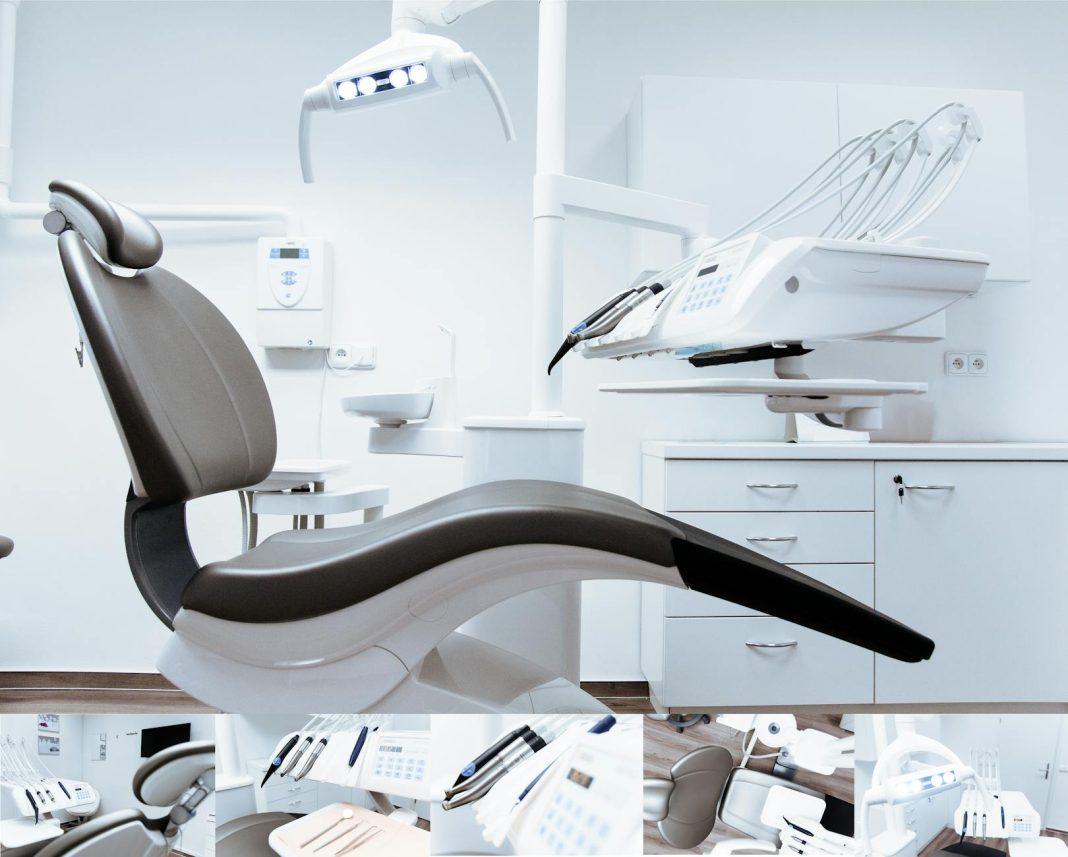
- Dental Equipment: The core technology that drives patient care, including dental chairs, X-ray units (digital sensors, panoramic/CBCT), sterilization equipment, CAD/CAM systems, and intraoral cameras.
- Working Capital and Soft Costs: Initial inventory (supplies), marketing expenses, software systems (practice management, electronic health records), legal fees, insurance premiums, and initial payroll before the practice becomes cash-flow positive.
While some dentists use personal savings or lines of credit for smaller needs, major purchases like specialized equipment and leasehold improvements almost always necessitate dedicated financing.
Types of Dental Practice Loans Available
Lenders recognize that dental professionals have unique financial profiles and asset collateral. Consequently, several specialized loan products cater specifically to the dental industry.
1. Equipment Financing and Leasing
This is perhaps the most common financing tool for practitioners focused solely on technology upgrades.
Equipment Loans
These loans are secured directly by the equipment being purchased. If you buy a $100,000 CBCT machine, the machine itself serves as collateral.
- Pros: Often feature lower interest rates than unsecured loans because the risk to the lender is mitigated by the collateral. Terms are usually aligned with the useful life of the equipment (e.g., 5–7 years).
- Cons: Requires a down payment in some cases, and the practice must maintain the equipment diligently.
Equipment Leasing
Leasing allows the practice to use the equipment immediately without a large upfront cost. There are two primary types:
- Operating Lease: Treated like a rental agreement; the lender retains ownership, and the practice returns the equipment at the end of the term. This is favorable for rapidly evolving technology where obsolescence is a concern.
- Capital Lease (or Finance Lease): Treated more like a loan where the practice agrees to purchase the equipment at the end of the term for a nominal fee.
2. Commercial Real Estate Loans (Dental Mortgages)
If you are purchasing the building your practice occupies, a commercial real estate loan is required. These loans are often structured differently than residential mortgages.
- Longer Terms: Terms can extend to 20 or 25 years, resulting in lower monthly payments, which is crucial for managing startup expenses.
- Specialized Lenders: Many banks offer specific “Dental Mortgages” that understand the cyclical nature of dental revenue and the value of the practice goodwill associated with the real estate.
3. Practice Acquisition and Startup Loans (Business Loans)
These are comprehensive loans designed to cover the entirety of a startup budget, often combining real estate, equipment, working capital, and goodwill (if buying an existing practice).
- SBA Loans (Small Business Administration): The SBA 7(a) loan program is highly popular for dental startups. The SBA guarantees a portion of the loan to the lender, which encourages banks to offer favorable terms, including lower down payments and longer repayment schedules (up to 10 years for working capital and 25 years for real estate).
- Conventional Bank Loans: Traditional term loans offered by commercial banks. These usually require stronger collateral and may demand a higher personal guarantee from the dentist.
4. Working Capital Loans and Lines of Credit
Once the office is open, unexpected expenses—a sudden need for inventory, a major repair, or covering payroll during a slow month—can arise.
- Working Capital Loans: Lump-sum loans specifically for operational expenses.
- Business Line of Credit (LOC): Offers flexibility. You only pay interest on the amount you actually draw. This is excellent for managing the initial ramp-up period before insurance reimbursements start flowing consistently.
Financing Leasehold Improvements and Build-Outs
The physical space—the leasehold improvements—often represents one of the largest single expenses in a startup. Banks are often hesitant to finance these costs alone because the improvements are tied to a specific location and may not be easily repossessed if the loan defaults.
Strategies for Financing the Build-Out
- Include in the Main Startup Loan: The most efficient method is bundling the build-out costs into a comprehensive SBA or conventional startup loan, provided the lender is comfortable with the total project scope.
- Equipment Leasing with a “Soft Cost” Component: Some specialized dental lenders allow a small percentage (e.g., 10–15%) of an equipment lease to cover associated soft costs like installation fees or minor construction directly related to the equipment setup.
- Commercial Construction Loans: For extensive, ground-up builds, a traditional construction loan structure may be necessary, requiring detailed architectural plans and phased disbursements of funds as construction milestones are met.
Navigating the Application Process: What Lenders Look For
Lenders underwriting dental practice loans are assessing two main areas: the financial viability of the business plan and the personal qualifications of the dentist.
Personal Qualifications
For a startup, the dentist’s personal financial health is paramount, as the business has no track record.
- Credit Score: A high personal credit score (typically 700+) demonstrates fiscal responsibility.
- Net Worth and Liquidity: Lenders want assurance that you have personal assets to fall back on and can cover required down payments.
- Education and Specialty: Graduates from accredited, reputable dental schools are often viewed favorably. Specialty practices (orthodontics, oral surgery) may be seen as having a slightly lower risk profile due to potentially higher average procedure fees.
Business Plan Strength
The business plan must convincingly demonstrate how the practice will generate sufficient revenue to service the debt.
- Detailed Projections: Include conservative revenue forecasts for the first three years, detailing projected patient volume, average production per visit, and fee schedules.
- Collateral: Clearly list all assets being used to secure the loan (equipment, real estate, personal guarantees).
- Management Experience: If you have prior management experience or a strong practice management consultant on your team, highlight it.
The Importance of the Dental-Specific Lender
While large national banks offer competitive rates, lenders who specialize in healthcare finance often understand the nuances of dental practice valuation and revenue cycles better. They are more likely to approve loans for less traditional scenarios (like purchasing a struggling practice or financing cutting-edge, unproven technology) because they understand the underlying asset—the dental license and the patient base.
Maximizing Your Financing Terms
Securing the loan is only half the battle; securing the best loan requires strategic negotiation and preparation.
1. Shop Around Aggressively
Never accept the first offer. Contact at least three different types of lenders: a local community bank, a large national bank, and a specialized dental finance company. Compare the following:
- Interest Rate (APR): The true cost of borrowing.
- Term Length: Longer terms mean lower monthly payments but higher total interest paid.
- Fees: Look for origination fees, closing costs, and prepayment penalties. Prepayment penalties can be costly if you plan to refinance or pay off the loan early.
2. Minimize the Loan-to-Value (LTV) Ratio
Lenders prefer lower LTV ratios (the amount borrowed relative to the value of the collateral). If you can secure a larger down payment (e.g., 20% instead of 10%), the lender views the loan as less risky, often resulting in a lower interest rate.
3. Separate Equipment Financing from Real Estate
Sometimes, financing equipment separately from the real estate can yield better results. Equipment loans are faster and easier to obtain, allowing you to secure your technology while you finalize the more complex real estate closing.
4. Understand Goodwill Valuation
If you are acquiring an existing practice, the “goodwill”—the value attributed to the established patient base and reputation—is a significant portion of the sale price. Lenders typically finance goodwill at a lower percentage (often 70–90% of its appraised value) than hard assets like equipment. Ensure your appraisal accurately reflects the practice’s potential under your management.
Conclusion
Financing a dental practice setup is a complex undertaking that demands diligence. By understanding the specialized loan products available—from equipment leases to SBA startup packages—and preparing a robust financial presentation, dentists can secure the necessary capital on terms that support long-term profitability. Treat the financing process as seriously as you treat your clinical training; the right financial foundation ensures your practice can focus on what matters most: delivering exceptional patient care.