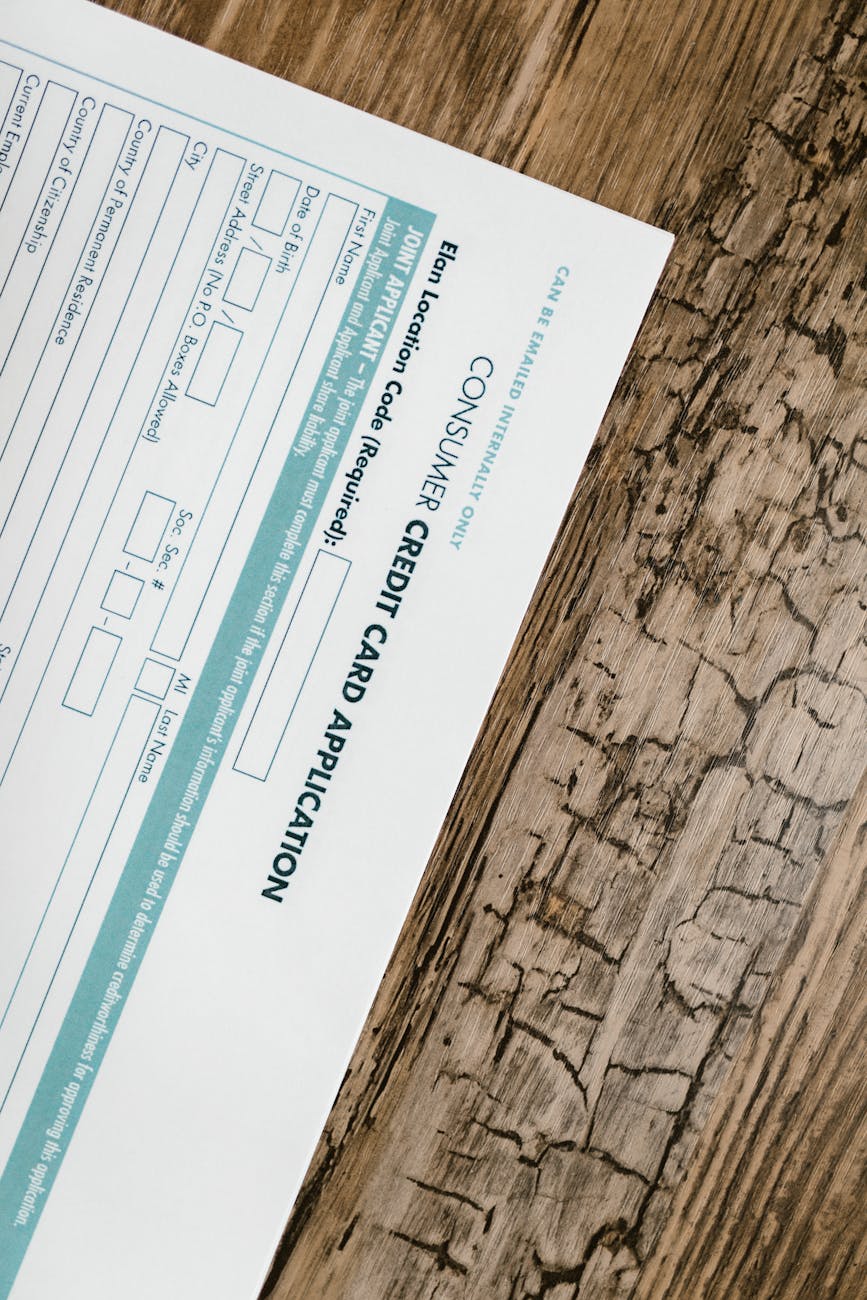


Loan Application Documentation: The Essential Papers You Need to Apply Successfully
Applying for a loan—whether it’s a mortgage, a personal loan, or a business credit line—can feel like navigating a bureaucratic maze. At the heart of this process is documentation. Lenders require extensive paperwork to assess your creditworthiness, verify your income, and ensure you have the capacity to repay the debt.
Failing to provide the correct, up-to-date documentation upfront is the single biggest reason loan applications stall or get rejected. To streamline your application and increase your chances of approval, preparation is key. This guide breaks down the essential documentation you’ll need, categorized by the type of information lenders seek.
Understanding the Lender’s Perspective
Before diving into the checklist, it’s helpful to understand why lenders ask for so much information. Lenders operate under strict regulatory guidelines and must adhere to the principle of “Know Your Customer” (KYC). They are assessing three primary factors, often called the “Three Cs” of Credit:
- Capacity: Can you afford the monthly payments? (Verified through income and existing debt).
- Capital: Do you have assets or savings to cover down payments or unexpected shortfalls? (Verified through bank statements and asset lists).
- Credit: What is your history of managing debt? (Verified through credit reports).
Your documentation serves as tangible proof for these assessments.
Category 1: Personal Identification and Credit History
This foundational set of documents verifies who you are and provides the lender with your credit baseline.
1. Proof of Identity and Residency
Lenders must confirm your identity to prevent fraud.
- Government-Issued Photo ID: A valid, unexpired driver’s license, passport, or state ID card.
- Social Security Card or Taxpayer Identification Number (TIN): Required for running credit checks and tax reporting.
- Proof of Current Address: Utility bills (gas, electric, water) or a current lease agreement/mortgage statement showing your name and address, usually dated within the last 60 days.
2. Credit Authorization
While you will typically sign a specific authorization form during the application, be prepared to provide the necessary information (like your SSN) that allows the lender to pull your official credit report from major bureaus (Equifax, Experian, TransUnion).
Category 2: Income and Employment Verification
This is arguably the most crucial section, as it proves your capacity to repay the loan. The documentation required varies slightly depending on whether you are a salaried employee or self-employed.
For Salaried or Hourly Employees
Lenders typically require proof covering the last two years, with the most recent information being the most critical.
- Recent Pay Stubs: Usually the last 30 days’ worth. These verify your current gross income, deductions, and pay frequency.
- W-2 Forms: Copies of your W-2 forms for the past two years.
- Employment Verification Letter (Optional but Helpful): A letter from your employer confirming your position, start date, and current salary. Some lenders require this to be sent directly from the employer.
- Verification of Income (VOI): For federal loans (like mortgages), lenders may use the IRS Income Verification Express Service (IVES) to pull tax transcripts directly, but having your tax returns ready is essential backup.
For Self-Employed Individuals or Business Owners
If you rely on business income, the documentation is significantly more complex, as personal and business finances often overlap. Lenders generally look for a stable, two-year history of profitability.
- Personal Federal Tax Returns (Complete Copies): Including all schedules (especially Schedule C, E, or F) for the past two years.
- Business Tax Returns: If applicable (e.g., S-Corp, Partnership returns) for the past two years.
- Year-to-Date Profit and Loss (P&L) Statement: A recent statement (often within 60–90 days) showing current business performance.
- Business Bank Statements: Typically the last 6 to 12 months, showing consistent revenue flow and operational expenses.
- Business Licenses and Legal Documents: Proof that the business is legally operating.
For Non-Employment Income Sources
If you rely on income outside of traditional employment, you must substantiate it:
- Retirement Income: Award letters or 1099 forms for pensions, Social Security, or annuities.
- Investment Income: Statements showing dividend or interest payments.
- Rental Income: Lease agreements and corresponding tax schedules (Schedule E).
- Alimony or Child Support: Court decrees proving the obligation and bank statements showing receipt, if applicable and if you wish to use it as qualifying income.
Category 3: Assets and Down Payment Verification
Lenders need to confirm you have the necessary funds for a down payment, closing costs, or reserves (money set aside after the loan closes).
Bank and Investment Statements
The general rule is to provide the most recent two to three months of statements for all accounts you plan to use.
- Checking and Savings Accounts: These show liquidity. Lenders scrutinize large, undocumented deposits (known as “sourcing funds”). If a large deposit appears, you must provide documentation explaining its origin (e.g., a gift letter, sale of an asset, or documented withdrawal from another account).
- Investment Accounts: Statements for brokerage, retirement (401k, IRA), or mutual fund accounts. Note that lenders may only count a percentage of these assets depending on the loan type and volatility of the investment.
- Proof of Down Payment Source: If you are receiving a gift for a down payment, you will need a signed Gift Letter from the donor stating the funds are a gift (not a loan) and proof that the funds moved from the donor’s account to yours.
Documentation for Other Assets
- Retirement Account Statements: Showing current balances.
- Proof of Sale for Major Assets: If you recently sold a car or property, documentation proving the sale proceeds are now liquid cash.
Category 4: Debt Obligations and Liabilities
Lenders review your existing debt load to calculate your Debt-to-Income (DTI) ratio. They need to see everything you are currently obligated to pay.
- Existing Mortgage/Rent Statements: Proof of current housing payment.
- Auto Loan Statements: Showing current balance and monthly payment.
- Student Loan Statements: Including the minimum monthly payment amount, even if you are currently in deferment (lenders must use a calculated payment amount if the statement doesn’t list one).
- Credit Card Statements: While the lender pulls your credit report showing balances, they may ask for recent statements to verify minimum monthly payments, especially for revolving credit lines.
- Divorce Decrees or Settlement Agreements: If these dictate ongoing support payments.
Category 5: Property-Specific Documentation (For Mortgages/Real Estate Loans)
If the loan is secured by property, additional documentation specific to that asset is required.
- Purchase Agreement/Sales Contract: The fully executed contract detailing the agreed-upon price and terms.
- Property Survey and Title Report: Required during the underwriting phase to ensure clear ownership and property boundaries.
- Homeowners Insurance Declarations Page: Proof that the property will be adequately insured upon closing.
- Appraisal Report: Ordered by the lender to confirm the property’s market value.
- Homeowners Association (HOA) Documents: If applicable, including governing documents and fee schedules.
Tips for a Smooth Documentation Process
Gathering these documents can be time-consuming, but a proactive approach minimizes delays:
- Organize Digitally: Scan all documents clearly and save them in a secure, organized digital folder (e.g., “Loan Docs – John Smith”). Name files logically (e.g., “2023_W2_John_Smith.pdf”).
- Ensure Timeliness: Lenders often reject statements that are too old. Aim for bank statements and pay stubs dated within the last 30–60 days.
- Avoid Large, Unexplained Deposits: This is a major red flag. If you receive a large sum of money, document its source before submitting your bank statements.
- Review Before Submitting: Double-check that all pages are present, signatures are included where necessary, and sensitive data (like account numbers on statements) are clearly visible but not obscured in a way that looks suspicious.
Conclusion
Loan application documentation is the bedrock of the lending decision. By meticulously gathering and organizing the required proof of identity, income, assets, and liabilities, you transform the application process from a stressful hurdle into a straightforward verification exercise. Preparation demonstrates responsibility to the lender, expediting underwriting and moving you closer to securing the financing you need.