

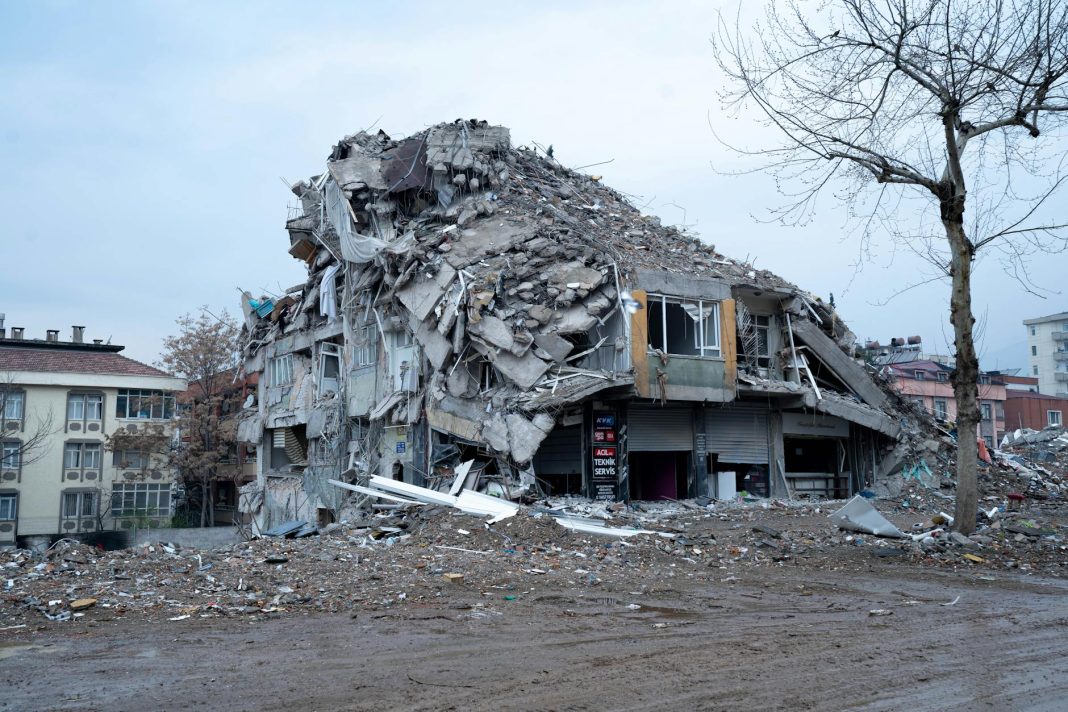
Disaster Relief Loans: Government Assistance After Natural Catastrophes
The roar of a hurricane, the tremor of an earthquake, or the devastating spread of a wildfire—natural disasters strike without warning, leaving behind a trail of destruction that can shatter lives and livelihoods. In the immediate aftermath, the focus is on safety and survival. However, once the dust settles, the daunting task of rebuilding begins. For many individuals, homeowners, and small business owners, the financial burden of recovery can feel insurmountable.
This is where government assistance steps in, primarily through the mechanism of disaster relief loans. These specialized financial tools are designed to bridge the gap between devastating loss and sustainable recovery, offering a lifeline when traditional financing options are unavailable or unaffordable. Understanding what these loans are, who qualifies, and how to navigate the application process is crucial for anyone facing post-disaster recovery.
The Landscape of Federal Disaster Assistance
When a natural catastrophe is severe enough to warrant a Presidential declaration, federal resources are mobilized. The primary agency responsible for delivering financial assistance to individuals and families is the Federal Emergency Management Agency (FEMA). While FEMA provides grants for immediate needs, the bulk of long-term recovery funding often comes through low-interest loans administered by the Small Business Administration (SBA).
It is important to distinguish between grants and loans:
- Grants (FEMA): These are direct financial assistance payments that do not need to be repaid. They are typically intended for essential, uninsured, or under-insured needs like temporary housing or essential home repairs.
- Loans (SBA): These are funds that must be repaid, but they come with significantly lower interest rates and longer repayment terms than conventional loans, making them accessible to those who might otherwise be denied credit.
The Small Business Administration (SBA) Disaster Loan Program
The SBA is often the largest source of federal disaster recovery funding for homeowners, renters, and businesses. While the name suggests a focus only on commerce, the SBA’s disaster loan program is comprehensive.
1. Homeowner and Renter Disaster Loans
These loans are specifically tailored for individuals whose primary residences have been damaged or destroyed by a declared disaster.
What They Cover:
- Structural Repairs: Funds can be used to repair or rebuild the primary residence to safe and sanitary standards.
- Personal Property Replacement: This includes essential personal belongings damaged or destroyed, such as furniture, clothing, appliances, and vehicles.
- Renters: Those who rent and have lost personal property or are displaced can also apply for assistance to replace belongings or cover temporary housing costs.
Key Features:
- Low Interest Rates: Rates are fixed and significantly below market rates, often as low as 1.5% for homeowners.
- Long Repayment Terms: Terms can extend up to 30 years, providing manageable monthly payments.
- Loan Amounts: Homeowners can borrow up to $500,000 for real estate repair or replacement, and up to $100,000 for personal property.
Crucial Caveat: SBA loans are intended to cover uninsured or under-insured losses. If you have insurance, you must file a claim first. The SBA loan will only cover the gap between what your insurance pays and the total disaster-related loss, up to the maximum loan amount.
2. Business Physical Disaster Loans
These loans are for small businesses (including nonprofits) that have suffered physical damage to their facilities, equipment, machinery, inventory, or business assets.
What They Cover:
- Repairing or replacing damaged real estate and business assets.
- Restoring inventory and equipment.
Key Features:
- Loan Amounts: Businesses can borrow up to $2 million for physical damage repair or replacement.
- Terms: Generally up to 30 years for real estate and up to 25 years for working capital and personal property.
3. Economic Injury Disaster Loans (EIDL)
The EIDL program is distinct because it addresses the economic impact of the disaster, even if the business sustained no physical damage.
What They Cover:
- Providing working capital to meet ordinary and necessary operating expenses that the business could not meet due to the disaster (e.g., payroll, rent, utility payments).
Key Features:
- Purpose: To help businesses stay afloat until normal operations resume.
- Eligibility: Available to small businesses, small agricultural cooperatives, and private, non-profit organizations.
Eligibility Requirements: Who Qualifies?
While the specific requirements vary slightly between the homeowner and business programs, several core criteria must be met for any SBA disaster loan:
- Declared Disaster Area: The damage must have occurred within an area officially declared a federal disaster zone by the President.
- Primary Residence/Location: For homeowners, the damaged property must have been their primary residence at the time of the disaster. For businesses, the damaged facility must be located within the declared disaster area.
- Inability to Secure Credit: Applicants must demonstrate that they cannot obtain sufficient credit elsewhere on reasonable terms. The SBA loan essentially serves as the lender of last resort.
- Sufficient Repayment Ability: Although the terms are favorable, the SBA still requires evidence that the applicant has the financial capacity to repay the loan.
The Application Process: Navigating the Bureaucracy
The process of securing a disaster loan can feel overwhelming amid personal crisis, but following a structured approach increases the chances of success.
Step 1: Register with FEMA First
Even if you know you need a loan, the first mandatory step is registering for assistance with FEMA. This establishes your disaster case file. You can register online, by phone, or in person at a Disaster Recovery Center (DRC).
Step 2: Complete the SBA Loan Application
Once registered with FEMA, you may be referred directly to the SBA, or you may need to apply independently.
Required Documentation Typically Includes:
- Completed SBA loan application forms.
- Proof of identity (Driver’s license, passport).
- Proof of residency (Utility bills, lease agreements).
- Insurance information (Policy declarations and settlement statements).
- Financial documentation (Tax returns for the last three years, personal financial statements).
- For businesses: Profit and Loss statements, business tax returns, and a schedule of business assets and liabilities.
Step 3: The SBA Inspection
After submission, the SBA will dispatch a disaster loan officer or inspector to verify the damage claimed on the application. This inspection is critical for determining the final loan amount. It is essential to be present during this inspection and have documentation ready to support all claimed losses.
Step 4: Loan Decision and Closing
If approved, the SBA will issue a commitment letter detailing the loan terms. If the amount offered is insufficient, applicants have the right to appeal the decision, often by submitting additional documentation (like contractor estimates) that were not available during the initial review.
Key Considerations and Pitfalls to Avoid
Navigating disaster relief requires diligence to ensure you maximize the aid available.
Prioritizing Insurance vs. SBA Loans
Never delay filing an insurance claim. SBA loans are designed to supplement, not replace, insurance coverage. If you accept an SBA loan for a loss that is later fully covered by insurance, you must repay the SBA loan amount corresponding to that specific loss.
The Appeal Process is Your Friend
Many applicants are initially denied or offered a lower amount than expected. Do not treat the first decision as final. If your contractor estimates exceed the SBA’s initial assessment, appeal immediately with detailed, itemized repair estimates.
Understanding Loan Forbearance and Deferment
For homeowners, the initial repayment period often includes a deferment period (usually 3 to 12 months) before monthly payments begin. This allows time for rebuilding and stabilization. Understand these terms clearly before signing the closing documents.
Home Mitigation Requirements
If you are rebuilding, the SBA may require you to incorporate certain hazard mitigation measures into your repair plans (e.g., elevating mechanical systems above the expected flood level). While this adds upfront cost, it is often necessary for final loan approval and helps prevent future damage.
Conclusion
Disaster relief loans, particularly those offered by the SBA, represent a vital component of federal recovery efforts following natural catastrophes. They provide accessible, low-interest capital necessary for individuals and businesses to move beyond emergency stabilization and toward comprehensive rebuilding. While the application process demands patience and thorough documentation, understanding the distinct roles of FEMA grants and SBA loans, and diligently following the required steps, ensures that victims can leverage these powerful financial tools to reclaim their homes, businesses, and financial stability in the wake of disaster.