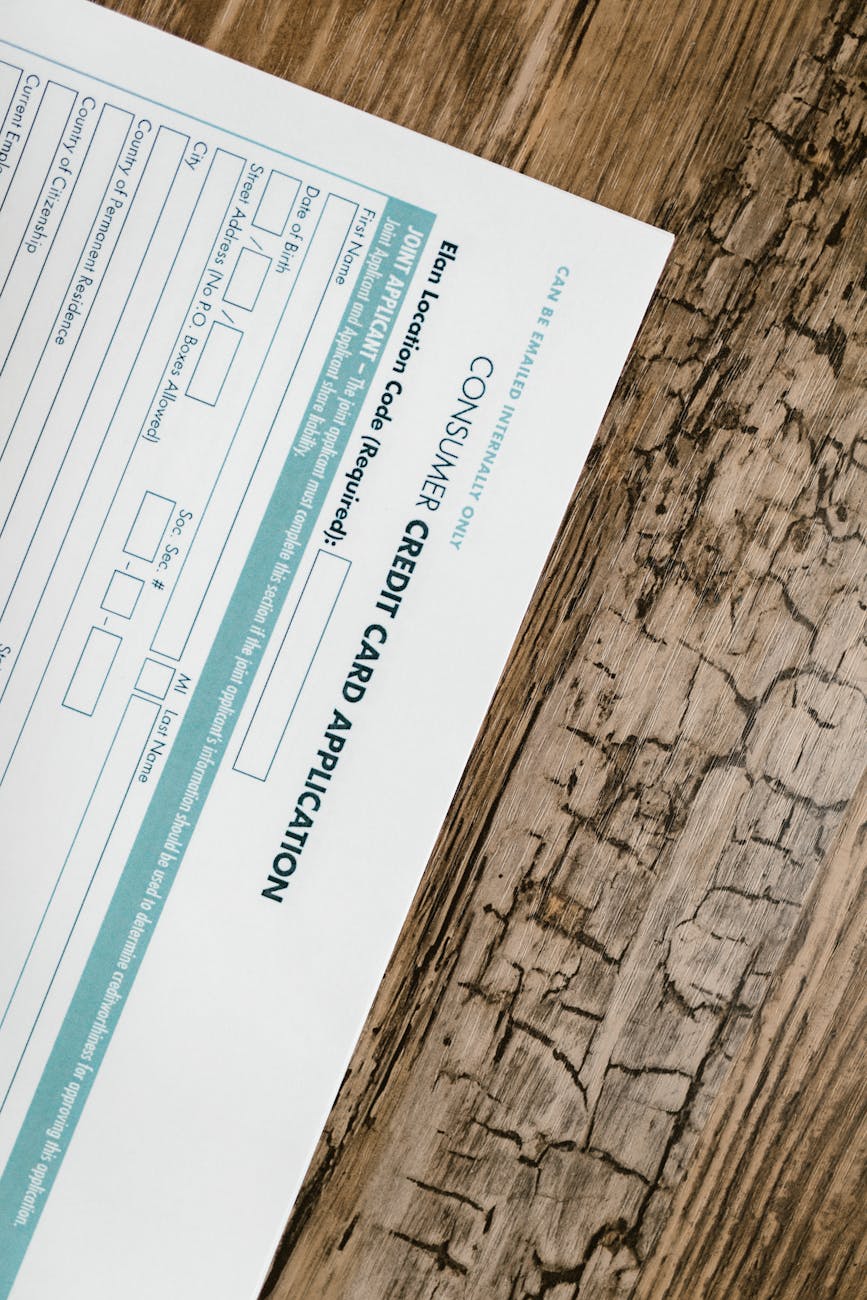


Home Loan Pre-Approval: Why Getting Pre-Qualified Matters Before House Hunting
The journey to homeownership is an exciting one, filled with dreams of open-concept kitchens, spacious backyards, and the perfect neighborhood. However, before you start scrolling through endless listings or scheduling viewings, there is a crucial, often underestimated, first step: securing home loan pre-approval.
Many first-time buyers confuse “pre-qualification” with “pre-approval,” treating them as interchangeable. While both involve discussing your finances with a lender, they are vastly different stages of the lending process, and one holds significantly more weight when you enter a competitive housing market.
This guide will break down the critical difference between these two terms, explain why true pre-approval is non-negotiable before house hunting, and detail the benefits it offers to you as a buyer.
Pre-Qualification vs. Pre-Approval: Understanding the Difference
Before you can truly understand the power of pre-approval, you must distinguish it from its less rigorous cousin, pre-qualification. Think of pre-qualification as a casual conversation and pre-approval as a formal vetting process.
Pre-Qualification: The Rough Estimate
Pre-qualification is an initial, informal assessment of how much you might be able to borrow.
- Process: It typically involves a brief conversation with a lender or filling out a short online form where you provide basic information about your income, debts, and assets.
- Verification: Little to no documentation is required. The lender takes your stated figures at face value.
- Outcome: You receive a rough estimate of your borrowing capacity. This number is not guaranteed and should not be relied upon when making offers.
Analogy: Pre-qualification is like telling a car salesperson you think you can afford a $30,000 car based on your salary.
Pre-Approval: The Financial Deep Dive
Pre-approval is a conditional commitment from a lender stating they are willing to loan you a specific amount, pending the appraisal and final underwriting of a specific property.
- Process: This requires a formal application, submission of extensive documentation, and a hard inquiry on your credit report.
- Verification: Lenders thoroughly verify all provided information. This includes:
- W-2s and tax returns (usually two years)
- Pay stubs (recent 30–60 days)
- Bank and investment statements
- Proof of existing debts (mortgages, car loans, student loans)
- Outcome: You receive a formal Pre-Approval Letter. This letter outlines the maximum loan amount, the interest rate range you qualify for, and the type of loan product suitable for your situation.
Analogy: Pre-approval is like having the bank review your entire financial history, run your credit, and sign a conditional agreement to finance the $30,000 car once you find the exact model you want.
Why Pre-Approval is Essential Before Stepping Foot in a Home
Entering the housing market without a pre-approval letter is like going grocery shopping without a budget—you risk falling in love with items you cannot afford. Pre-approval transforms you from a casual browser into a serious contender.
1. Defining Your Realistic Budget
The single most important function of pre-approval is establishing a firm budget ceiling. Many buyers overestimate what they can afford based solely on gross income. A lender accounts for crucial factors that directly impact your monthly payment:
- Debt-to-Income (DTI) Ratio
- Current interest rates
- Property taxes and insurance estimates (which vary widely by location)
- Down payment requirements
Knowing your maximum approved amount prevents the emotional rollercoaster of looking at homes priced beyond your reach.
2. Gaining Credibility with Sellers and Agents
In today’s competitive real estate landscape, sellers often prioritize offers that are most likely to close smoothly and quickly. An offer accompanied by a solid pre-approval letter signals several things to the seller:
- Seriousness: You are a committed buyer who has done their homework.
- Financial Stability: A lender has already vetted your finances, reducing the risk of the deal falling apart due to financing issues later.
- Speed: Since the financing stage is largely complete, the closing timeline can be accelerated.
If a seller receives two comparable offers—one with pre-qualification and one with full pre-approval—they will almost always choose the pre-approved buyer.
3. Navigating Competitive Markets
When multiple offers are placed on a desirable property, the highest bid doesn’t always win. Sellers look for the strongest offer package.
In hot markets where homes sell within days, you may not have time to secure financing after your offer is accepted. If you wait until you find “the one” to start the pre-approval process, you risk losing the house while waiting for the paperwork to clear. Pre-approval allows you to make an immediate, competitive offer.
4. Streamlining the Closing Process
The period between accepting an offer and closing the sale (the escrow period) is heavily dependent on the lender finalizing the loan. By obtaining pre-approval first, you drastically shorten this timeline:
- Reduced Underwriting Time: Since your initial financial documentation has already been reviewed, the underwriter only needs to focus on the specific property appraisal and title search.
- Fewer Surprises: If you wait until after an offer is accepted to apply, a sudden issue discovered during the hard credit pull or document audit can derail the entire transaction.
The Steps to Achieving Strong Pre-Approval
Securing a pre-approval letter is a deliberate process that requires preparation. Taking these steps ensures your application is as strong as possible.
Step 1: Check and Improve Your Credit Score
Your credit score is the primary factor determining your interest rate and eligibility.
- Review Your Reports: Obtain copies of your credit report from all three major bureaus (Experian, Equifax, TransUnion). Dispute any errors immediately.
- Pay Down Debt: Focus on reducing balances on revolving credit accounts (credit cards). A lower utilization ratio significantly boosts your score.
- Avoid New Credit: Do not open new credit cards, finance a car, or take out any new loans in the months leading up to your mortgage application. New credit inquiries can temporarily lower your score.
Step 2: Gather and Organize Documentation
Lenders require meticulous documentation. Having these items scanned and ready will expedite the process:
- Income Verification: Last two years of W-2s, 1099s, and personal/business tax returns.
- Employment History: Contact information for your employers for the last two years.
- Asset Verification: Statements for checking, savings, retirement, and investment accounts (usually the last 60 days).
- Debt Information: Statements for all current loans, mortgages, and credit cards.
Step 3: Shop Around for Lenders
Do not settle for the first lender you speak with, even if you have a long-standing relationship with their bank. Different lenders offer different rates and fees.
- Compare Offers: Apply to 3–5 different lenders (banks, credit unions, mortgage brokers) within a short window (typically 14–45 days). Credit scoring models treat multiple mortgage inquiries within this period as a single inquiry, minimizing the impact on your score.
- Compare the Letters: Look beyond the advertised interest rate. Compare origination fees, points, and closing costs listed on the pre-approval letters.
Step 4: Understand the Conditions
Remember that pre-approval is conditional. The final approval depends on two main factors related to the property itself:
- Appraisal: The home must appraise for at least the purchase price. If it appraises low, you may need to bring more cash to the table or renegotiate the price.
- Title Search: The property must have a clear title, free of undisclosed liens or ownership disputes.
Conclusion: Pre-Approval is Your Entry Ticket
In the modern housing market, home loan pre-approval is not merely a suggestion; it is the essential first step in the home-buying process. It transforms an abstract desire into a concrete financial plan, empowers you with negotiating leverage, and ensures that when you find your dream home, you are ready to act decisively.
By investing time upfront to secure a formal pre-approval letter, you save yourself stress, avoid disappointment, and position yourself as the most attractive buyer to any seller. Start the paperwork today, and turn your house-hunting goals into a successful closing.